

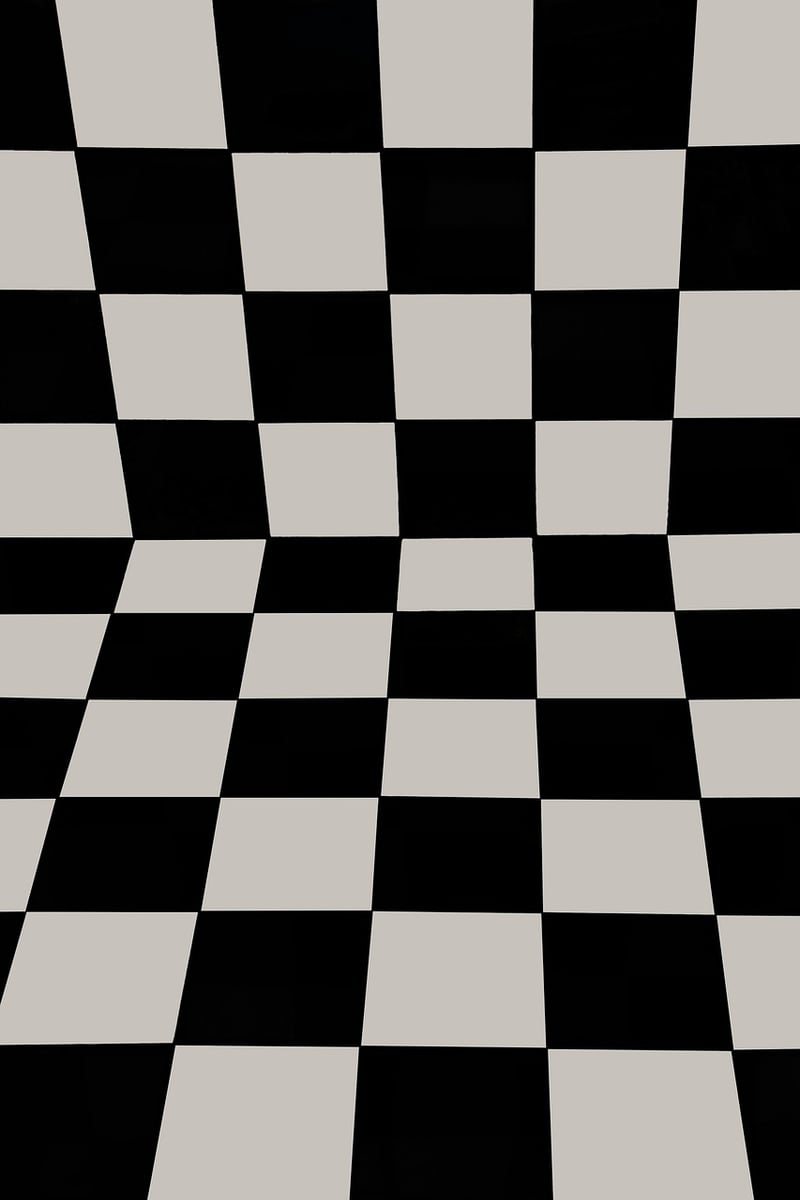
The Beauty of Simplicity in Design with Simple Geometric Shapes
In the world of design, simplicity is often considered the ultimate sophistication. Embracing minimalism and clean lines can create a powerful visual impact that resonates with viewers. One way to achieve this aesthetic is through the use of simple geometric shapes.
Why Simple Geometric Shapes?
Geometric shapes, such as circles, squares, triangles, and rectangles, are fundamental building blocks of design. Their clean and precise nature allows for easy integration into various design styles. By using these shapes, designers can convey a sense of order, harmony, and balance in their creations.
The Elegance of Circles
Circles exude a sense of unity and wholeness. They are often associated with perfection and infinity. Incorporating circles into design can create a sense of movement and fluidity. Whether used as standalone elements or in patterns, circles add a touch of elegance to any project.

The Strength of Squares and Rectangles
Squares and rectangles are symbols of stability and structure. Their straight lines convey a sense of order and precision. When used in design, squares and rectangles can create a solid foundation for composition. They are versatile shapes that can be arranged in various ways to achieve different visual effects.

The Dynamic Nature of Triangles
Triangles symbolize energy and motion. They can create a sense of tension or direction in a design. Triangles are often used to draw the viewer's eye towards a focal point or to convey a sense of movement. Their versatility allows designers to play with different angles and arrangements to evoke various emotions.

Embrace Simplicity in Your Designs
Whether you are a graphic designer, architect, or artist, incorporating simple geometric shapes into your work can elevate its visual appeal. By embracing simplicity and leveraging the power of basic shapes, you can create designs that are both striking and timeless.
So, next time you embark on a design project, consider the beauty of simplicity and the impact of simple geometric shapes.